
"from Ethiopia"
20000 article(s) found

World boutique coffee farm beans; Harald mocha (part 1) in Ethiopia has a delicate and rich taste
[product name]: Ethiopia Harald Mocha (Ethiopia Harar Mokha) [quality rating]: DP Grade 4 [baking]: recommended moderate baking (Medium Roast or City Roast) [grade]: excellent [granule]: ★ full [acidity]: ★★★★ slightly sour, dark chocolate aftertaste [balance]: ★★★★ is very stable
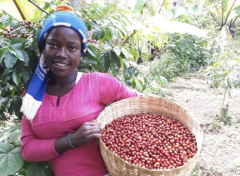
Legend of the Origin of Coffee in Ethiopia: how do Yega Xuefei Dingding Coffee beans taste?
Many coffee lovers regard Ethiopian coffee as their favorite. In their eyes, the fruity and floral Ethiopian coffee beans are always the winners. There is no doubt that for many years, Ethiopian coffee has been the most acclaimed coffee bean in a single producing area in the world. As the world's fifth largest coffee producer, Ethiopia has mastered the art of harvesting and processing coffee beans.

Learn that the name Coffee comes from kaffa in Ethiopia
Ethiopia in East Africa means the land inhabited by people tanned by the sun in ancient Greek. Ethiopia's unique cultural tradition, spectacular scenery, pleasant climate, rich animal and plant resources, important places of interest, hospitality and friendly people make it one of the major tourist destinations in Africa. Do you know? The root of coffee is in Ethiopia. allegedly

A brief introduction to the characteristics of coffee in Ethiopia, Ethiopia, the largest producer of coffee beans in Africa.
Professional coffee knowledge exchange more coffee bean information please follow the coffee workshop (Wechat official account cafe_style) front street-Ethiopian coffee production Guji producing area profile we now drink a lot of coffee is made of Arabica coffee beans. Ethiopia is not only an important producing area of Arabica coffee beans, but also the largest producer of Arabica coffee beans in Africa.

Characteristics of Flavor and Taste of Coffee Manor in Ethiopia
In December 1994, the Constitution of the Federal Democratic Republic of Ethiopia was formulated. According to the Constitution, Ethiopia will implement a federal system and a parliamentary cabinet system after the general election for a term of five years. After the national election in May 1995, the Federal Democratic Republic of Ethiopia was established on August 22, and Meles became prime minister in her capacity as chairman of the majority party of the people's House of Representatives. On May 14, 2000, Ethiopia held a national meeting

Ethiopian pastoral coffee cultivation system coffee bean cultivation system distributed in Ethiopia
(photo from: national Geographic Chinese website Photo: Amivitale,Panos) according to Qianjie Coffee Consulting, 90% of coffee in Ethiopia comes from pastoral, forest and semi-forest, but large-scale corporate cultivation is rare in Ethiopia. According to the scale and model, the cultivation of Ethiopian coffee can be divided into four types: 1, forest coffee Forest C

Ethiopian Coffee Estate Fine Coffee Bean Planting Geographical Location Gas
In December 1994, the Constitution of the Federal Democratic Republic of Ethiopia was enacted. The constitution stipulates that Ethiopia will adopt a federal system and a parliamentary cabinet system after the election, with a term of office of five years. National elections were held in May 1995. On August 22, the Federal Democratic Republic of Ethiopia was established. Meles became Prime Minister as Chairman of the Majority Party in the House of People's Representatives. On May 14, 2000, Ethiopia held a national meeting.

Ethiopian Coffee Culture Coffee Flavor characteristics of different producing areas in Ethiopia
Ethiopia is recognized as the birthplace of coffee, and the coffee produced is also highly respected in the boutique coffee market, and Ethiopian coffee is almost available on the menus of coffee shops around the world. But why is Ethiopian coffee so well received? How well do you know this coffee-producing country? Ethiopia's producing areas vary greatly, with each producing area, micro-producing area and even farm production.

Introduction of Ethiopian Fine Coffee the taste characteristics of Ethiopian boutique coffee Ethiopia
Coffee is Ethiopia's most important export cash crop and the main source of Ethiopia's foreign exchange earnings. Ethiopia's coffee exports account for about 3% of the world market, making it the eighth largest coffee exporter in the world. Coffee exports increased steadily from 58000 tons in 1990-91 to 110000 tons in 1995-96 and remained at this level in the following years. 2001-2002

Introduction to Ethiopian Flavor planting Industry of Fine Coffee, the birthplace of Coffee
For the exchange of professional baristas, please follow the coffee workshop (Wechat official account cafe_style) the birthplace of Ethiopian (Ethiopia) coffee-the Ethiopian coffee tree originated from Ethiopia (Ethiopia), it was originally a wild plant here, and the name coffee comes from Ethiopia.
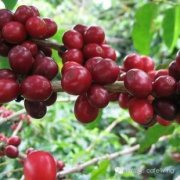
Detailed description of coffee from Tega and Tula Farm Tega and Tula Farms in Lim, Ethiopia
Professional barista exchanges please follow the coffee workshop (Wechat official account qianjiecoffee) Ethiopia Lim Tega and Tula Farm Taiga and Tula Farm sun-dried organic beans in Ethiopia will add 3 and 4 after the name to make a distinction (with 3 better quality), coffee cherries will be harvested with peel and pulp in the drying farm immediately until the coffee is dry.
The most flavored variety, "Mocha Haral"
The most famous coffee in Ethiopia is Harald coffee. Harald is located in eastern Ethiopia. Harald is an ancient city with a long history and one of the four holy cities of Islam. The Harald region has the best altitude for Arabica coffee and is the highest coffee producer in Ethiopia. Harald, Ethiopia, like Mocha in Yemen, is pure-handed.

The Storm in the Coffee Cup (Middle)-the tragic Appeal of Ethiopia
It is said that Ethiopia in poor countries is preparing to fight a century lawsuit with Starbucks in rich countries, which has attracted global attention. Ethiopia plays the grief card, and the global media and humanitarian organizations almost lean to the weak. Egypt uses Starbucks' popular "partner Sun Sidama" (Shirkina Sun-Dried Sidamo) as an example to tell the bitterness of coffee farmers: southern Ethiopia.
Ethiopia: birthplace of coffee
On the morning of January 7, Starbucks held a unique Ethiopian coffee tasting event at its flagship store in Kerry Center, Beijing. This was also the first time that Ethiopian coffee from the birthplace of coffee had zero contact with coffee lovers since it entered Starbucks. Starbucks China 2013 Coffee Minister Shen Yaning and local guests from Ethiopia, with knowledgeable coffee knowledge
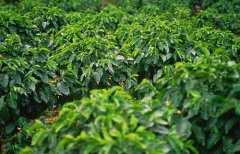
The most famous boutique raw bean flower scent in the world. Ethiopia Yega Xuefei G2.
Ethiopia has the longest history in the world, not only in coffee production and drinking, but also in the world. Most of the production is exported to advanced countries, and unlike other coffee-producing countries, 50% of the coffee produced in Ethiopia is consumed domestically. Nevertheless, more than 60% of Ethiopia's total foreign currency exports still come from the coffee trade, which is enough to replace

A variety of spices, fruit flavours, coffee beans, flavours, taste, aroma characteristics.
Elevation: 1500- 1700m Processing method: Sunlight Variety: Typica, Heirloom Producer: Smallholder Harvest Concentrated Processing Flavor: Jackfruit, Spice, Wine Ethiopian coffee mainly has eight producing areas: Ekempti, Limu, Illubabor, Djimma, Harrar, Teppi/Bebeka, Sidamo, Yirgacheffe. Ethiopian coffee in Taiwan

Ethiopia Xiachisuo coffee flavor description processing method grinding scale varieties taste introduction
Ethiopia Xiachisuo producing area coffee flavor description processing method grinding scale variety taste introduction 1, Limu coffee grows between 1400 meters and 2000 meters above sea level. washed coffee. Excellent quality, with intense nutty aromas, moderate acidity and wine intensity. Annual production of 29,000 tons. Gima coffee grows between 1400 and 1800 meters above sea level. Sunburn coffee.

Introduction to varieties of Ethiopian coffee bean flavor description grinding scale treatment method
Ethiopian coffee bean flavor description grinding scale treatment variety introduction Ethiopia has a unique and different flavor, providing customers all over the world with a wide range of taste choices. In the highlands of southwestern Ethiopia, coffee growers in Kaffa, Sheka, Gera, Limu and Yayu

Savor the regional │ coffee from here-Ethiopia
The exchange of professional baristas please follow the coffee workshop (Wechat official account cafe_style) 16th century Lebanese scholar Faustus Nairous Barlesius wrote in his book the Sleepless Monastery that the origin of coffee was discovered by shepherds living in the Ethiopian highlands in the sixth century. Coffee starts here in Ethiopia and Africa, known as the birthplace of coffee.